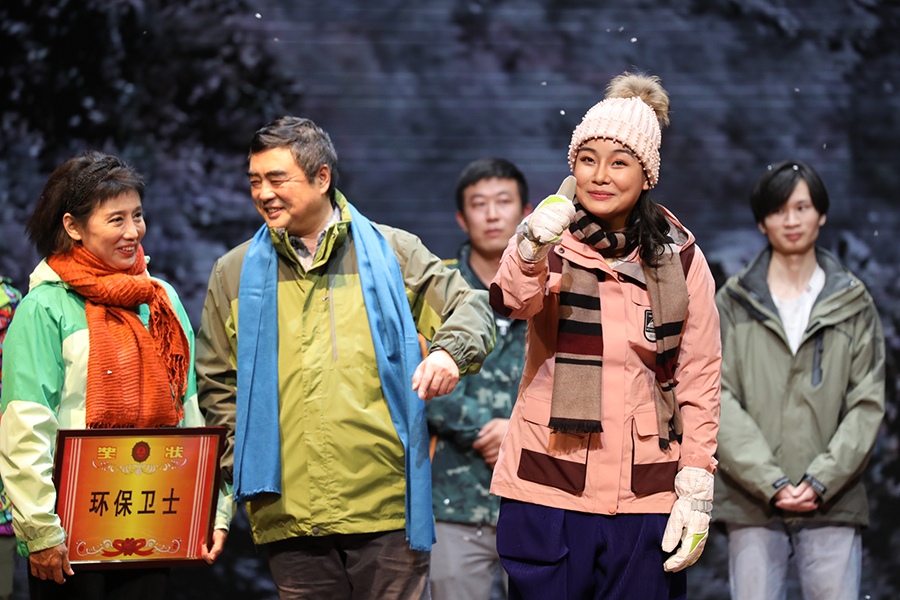
The Spring Breeze is Crossing
Introduction
The Spring Breeze is Crossing is an original drama that premiered on August 29 in 2018 at the Theater of the Cultural Palace of Nationalities in Beijing. This theatrical work is distinct for its depiction of the lives of individuals residing at the foot of the Great Wall in the Yanqing district, located in Northwest Beijing. The drama captures the cultural and historical essence inherent to this region, providing audiences with a reflective view of its significance.
Inspiration and Background
The play's title, The Spring Breeze is Crossing, holds particular resonance as it was thoughtfully chosen by the scriptwriter, Wu Tong. The drama is an adaptation of a renowned poem from the Tang Dynasty (618-907). This connection to a classical literary piece underscores the drama's deep cultural roots and its attempt to bridge historical narratives with contemporary storytelling.
Cultural Context and Significance
Yanqing district, where the drama is set, is not only a region of scenic and historical value but also an area gaining prominence due to its role in the 2022 Beijing Winter Olympic Games. The timing of the drama's production aligns with this growing importance, offering a narrative that celebrates and elevates the district's cultural legacy amidst its newfound global attention.
Direction and Production
Under the direction of Gu Wei, The Spring Breeze is Crossing presents an aesthetically pleasing and sophisticated stage design. Gu Wei's dedication to achieving perfection is evident in the authentic portrayal of everyday life, the attention to detail that mirrors real-life, and the vibrant language that includes the use of the Yanqing dialect. Such elements contribute to the drama's authenticity and its ability to resonate profoundly with audiences.
Performance and Reception
The initial performances were met with positive reception, as audiences and critics alike appreciated the rich narrative and immersive experience crafted by the production team. Through its performances, the drama not only entertains but also educates and inspires reflection on the cultural lineage of the Yanqing district and its place in modern Chinese identity.








